Courtesy:outlookindia.com
Published: 22nd December, 2014
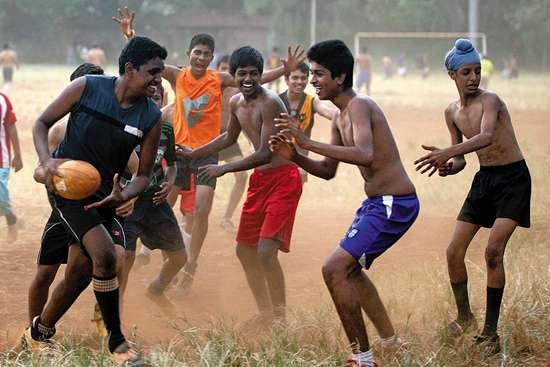
Saurabh Bhandekar, a resident of Shivaji Park, the holiest shrine in cricket’s Mecca, Mumbai, would walk by rows of nets where hundreds of children, dreamy eyes set on the colossus that is Sachin Tendulkar, would go through their daily exertions. Three years ago, he was intrigued by two people, one of them a foreigner, playing a rugby-like sport. Today, Saurabh too plays footy, or Australian Rules Football, and does his bit in promoting the sport. As we speak, around 40 children are getting muddied in the push and heckle of tackles and scrums. There is more going on at Shivaji Park. In the pale sunlight, around five one evening, a corner is given over to gymnastics training, while at the other end, five teams practise soccer. The centre still holds—cricket nets and boys in all-whites are inseparable from the park—but the background is dappled with a rush of coloured football jerseys.
“I was hooked once I started with footy. And our numbers have only grown,” says Saurabh, who went to Australia to participate in a tournament. Those numbers are singularly fortunate in being trained by Aussie footy professional Rhan Harris and his brother Lincoln, the two who brought the game to Mumbai. Footy, Lincoln tells Outlook, was devised in Australia for keeping cricketers in shape but has become just as popular as cricket over time. “Once you play a contact sport, it is very hard to like cricket. Here, every single player is doing something, whereas in cricket, action is limited to the bowler and the batsman. The excitement is unmatched,” says Lincoln, as Rhan watches over dusty bodies making a dash for the ball. The thrill is palpable.
Has cricket—which for decades had a stranglehold over sporting loyalty in India, giving the masses a parallel religion—lost some of its grip over its ability to rouse followers to a fevered pitch?
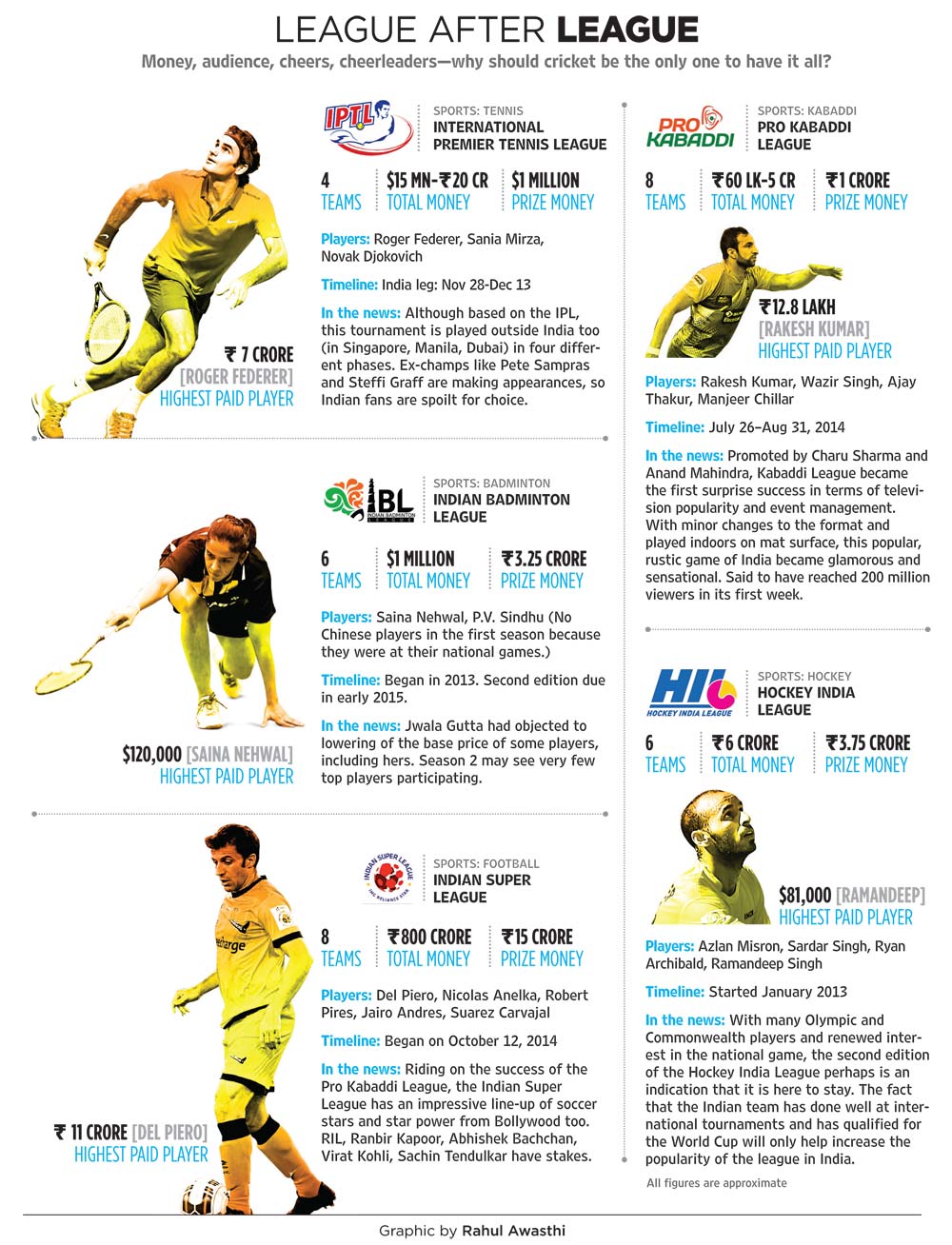
There are indications of that. Three months ago, the West Indies pulled out of a tour of India mid-way. What may have caused a furore a decade ago found mention only in the sports pages. Even as India blanked Sri Lanka out 5-0 in the hastily set up ODI series, it is just a blur in fans’ over-bowled minds. It holds true for even those who track every ball on Cricinfo in offices, on roads, in trains and at homes. Although some Indian Premier League team-owners have reported profits and said they have broken even, the tournament, marred by the betting and spot-fixing scandal, has seen a steady drop in TV viewership. There are certainly a few bleary-eyed diehards girding their loins before dawn for the ongoing Test series Down Under, but for the first two days, they were served with three sledgehammer centuries by the Aussies, though, admittedly, gloriously recompensed by Kohli’s crisply-timed ton on a fine Australian day. Nobody, moreover, can deny the creeping frisson of the forthcoming World Cup early next year.
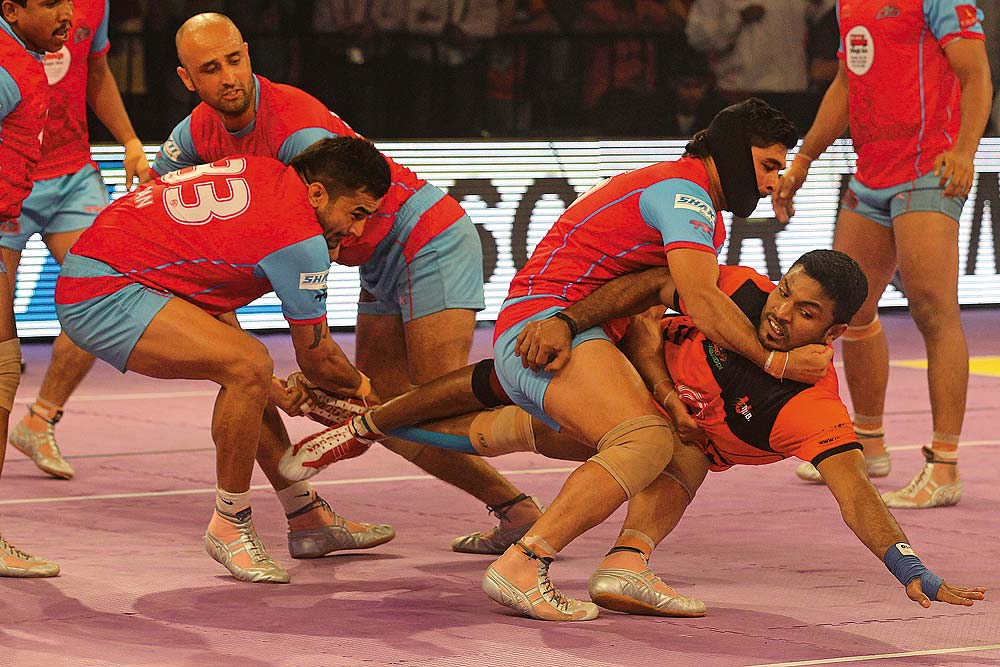
But the slow ingress of other sports can’t be denied. The Pro Kabaddi League was a surprise hit, and players are training for Season 2. Soccer fans are running along with the Indian Super League as it enters its last leg (finals are on December 20). And, justifiably, there were cheering crowds waiting for Roger Federer, Novak Djokovic and Ana Ivanovic in Delhi for the tennis league matches. Cricket rules, but other contenders are rearing their heads. “It is too early, too premature, to say if others will replace or compete with the IPL. But it won’t be cricket alone anymore, there will be other sports too. The general pent-up desire for football is immense,” says Gaurav Modwel, CEO, of ISL’s FC Pune City. “While cricket has been the mainstay, we are witnessing a trend of non-cricket sports becoming popular, like soccer, badminton and kabbadi,” says Ranjivjit Singh, chief marketing officer, Samsung India.
A burgeoning interest in many sports is important for India to grow as a serious sporting nation, says former cricketer Aakash Chopra. “Cricket’s currency is not lost. But unless we play multiple sports, we won’t ever be a sporting nation,” he says. Agrees soccer legend Zico, now coach of FC Goa: “We don’t really need to compare between cricket and football. India has over a billion people. I would like to see all sports getting attention—volleyball, basketball, swimming, athletics…. In Brazil, US, Japan, people play many sports, I hope that will be the case in India as well.”
Predictably, some commentators say the rude knock at cricket’s door has got to do more with the unfolding IPL scandal. “Many fans don’t take the IPL seriously as they feel it’s easy to fix games,” says cricket writer Dwarkanath Sanzgiri. “However, the model has helped kabaddi. The league was packaged very well, it looked attractive, glamorous and fun. Those who do not know anything about kabaddi also watched. I consider it to be the first positive fruit of the IPL.”
Siddharth Monga of ESPN Cricinfo says the IPL, in many ways, is an unreal market. “It will correct itself as we go along but it will never be as popular as the administrators want us to believe,” he says. But he is not sure how much football, badminton, kabaddi, and the recent Asian Games, have detracted from cricket consumption. For example, there was no dip in ESPN Cricinfo page viewings of India’s tour of England—about 250 million from India—which coincided with the India Hockey league and Pro Kabaddi League.
That other sports and their respective tournaments aren’t lacking big-name glamour and participation certainly helps to draw attention. Bollywood stars like Ranbir Kapoor, John Abraham, Salman Khan and Abhishek Bachchan and top cricketers such as Sachin Tendulkar, Sourav Ganguly and Virat Kohli are putting their money in soccer and kabaddi. “The good news is that low-cost structures are becoming financially viable,” says sports marketer Atul Pande. He says even a small percentage of fans for other sports is good enough, as in sheer numbers they will be big enough to be attractive to sponsors. “The internet and mobile make delivery of products easier, so monetisation should be easier for other sports,” he says.
But is the exercise of propping up other games just a TV-driven and sponsor-fuelled phenomenon? Is it only shiny packaging and smart hard-sell? Or are more sportsmen, boys and girls, taking to, say, kabaddi, on the ground? Do parents feel their children can make a career out of badminton or soccer? “I think there has been an improvement in the quality of other sports,” says Ramesh Kumar, head of ESPN Digital Media. “But Indian adoption of them will decide long-term sustainability. It will be a tough challenge if India doesn’t do well at these games internationally.” Quality has gone up even during a season, says sports marketing professional Indraneel Das Blah. “At the Mumbai City Football Club, the quality of soccer has improved significantly in three months. Sports like kabaddi or tennis have never had hard marketing, but now, when international players are being brought to India, there’s a marked difference,” he says.
Even if that sounds too optimistic, kabaddi players are delighted with the progress. Wazir Singh, captain of the Puneri Paltan, says the game is in fashion now. “It is good that so many people are watching. It only helps that players make some money so that we can continue to play. Our first priority remains playing for the country, but these leagues create awareness about the sport.” From Haryana, Wazir is in Pune for training for season 2, which he hopes will outdo the inaugural season. Abhishek Bachchan, whose kabaddi team Pink Panthers (Jaipur) won the trophy this year, said at the IIM World Management Conference: “To take kabaddi to international forum, the next step will be to set up academies. Once this comes through, then there will be international interest.”
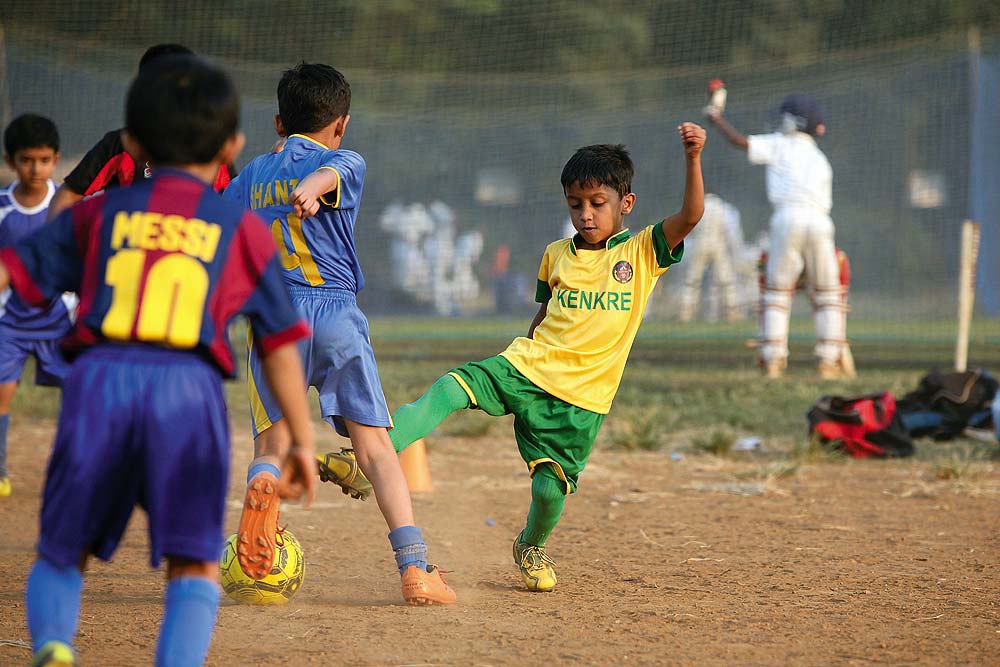
That is exactly what IPL bosses said about T20 cricket eight years ago. Visits to local clubs and training centres show that youngsters increasingly are votaries of this shortest form, classical cricket is not their concern. “It is hard to sustain youngsters’ interest in long-form cricket, as all want to play T20 games. Tests are tough proposition, and require long-term commitment. So, the quality of cricket is a serious problem and I wonder if Mumbai will produce any greats anymore,” says a crestfallen Anil Sawant, a Shivaji Park coach. He may be right: Jammu and Kashmir beat 40-times champions Mumbai in the ongoing Ranji Trophy tournament this week.
However, at Ramakant Acharekar Sir’s nets, now run by his daughter Kalpana, enrolments haven’t gone down. “We get as many children as before,” says a trainer, as children below 12 practice at the nets. But the icons are missing. Those who idolised Sachin or Sourav are grown up and the younger lot hasn’t found new stars. As Sanzgiri points out: “It is a transition period right now for Indian cricket. Although promising, Cheteshwar failed against top-class swing in England, and so did Kohli.” It’s also difficult to speculate if youths, for want of cricketing icons, would instead idolise a Sardar Singh, K. Srikanth, Sania Mirza or Mary Kom and gravitate towards hockey, badminton, tennis or boxing.
A shrinking talent pool isn’t cricket’s only challenge. Out of ten cricketing nations, Bangladesh, Zimbabwe, Sri Lanka, Pakistan and West Indies are in a mess at home with their boards. Of the remaining five teams, India, Australia and England have formed a cozy club, says Monga. “How long can you watch the same three teams play? We are headed towards a time where only these three countries will have the means to support Test cricket. At a time when cricket is facing competition from other sports that demand less attention and lesser devotion, administrators are chasing fans away.”
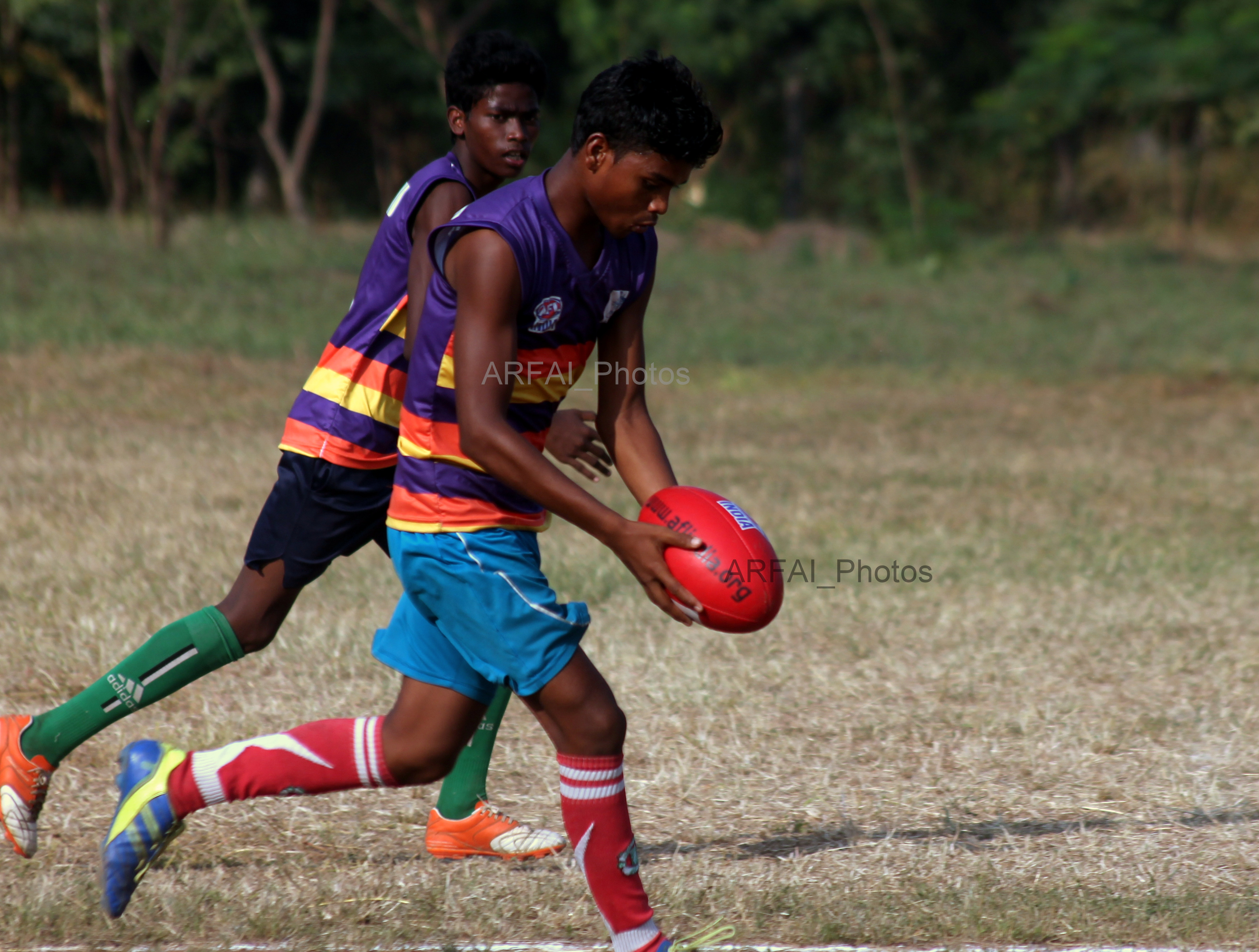
The birth of Jharkhand Crows was the corollary of the triumphant success of the implementation of a sustainable grassroots Australian Rules Football Program in the state of Jharkhand. Magic Bus with the support of ASC and ARFAI work to engage with communities through Community Youth Leaders (CYLs) to deliver programs in the state of Jharkhand. The CYL’s were provided special training by the ARFAI coaches who in turn trained the kids of Rajasthan about Australian Rules Football.
One person from Jharkhand deserves a special mention – Mahesh Tirkey, Magic Bus Volunteer Community Leader and also the Australian Rules Football leader of ARFAI in Jharkhand, who was selected to represent Indian Tigers for the International Cup,2014 in Melbourne after just 4 months of training. Not just the sporting skills but also the organizational skills of Mahesh should be mentioned as his personal efforts resulted in the tremendous growth and exposure of the sport in Jharkhand.
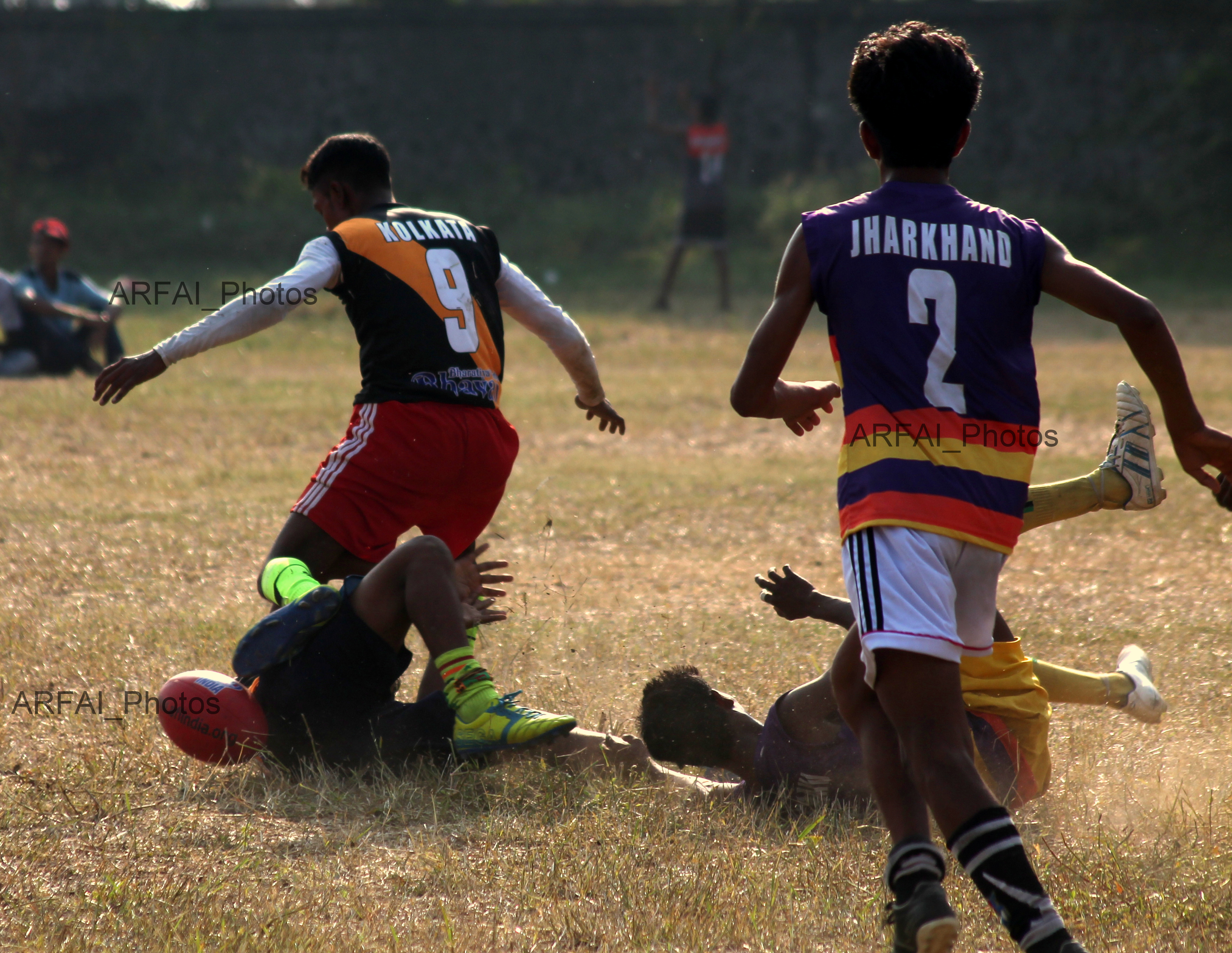
Jharkhand Crows made its debut in the 3rd ARFAI National Championship, 2014 held in Navi Mumbai in both the junior and the senior category. Even though they were the debutants their performance was so regal that they reached the finals in both the categories winning the championship in the junior category whereas becoming the runners up in the senior category.
Apart from Mahesh Tirkey, Mr. Sumit Kumar, Ranchi district head of Magic Bus took personal initiatives to grow the sport in the state. It was his and Mahesh’s efforts that made the first ever Jharkhand State Champion in Ranchi a success. It was this state championship that gave the base to select the players representing Jharkhand Crows(Junior) in the ARFAI National Championship. The senior team of Jharkhand Crows was the direct outcome of Mahesh Tirkey’s personal efforts in the state.
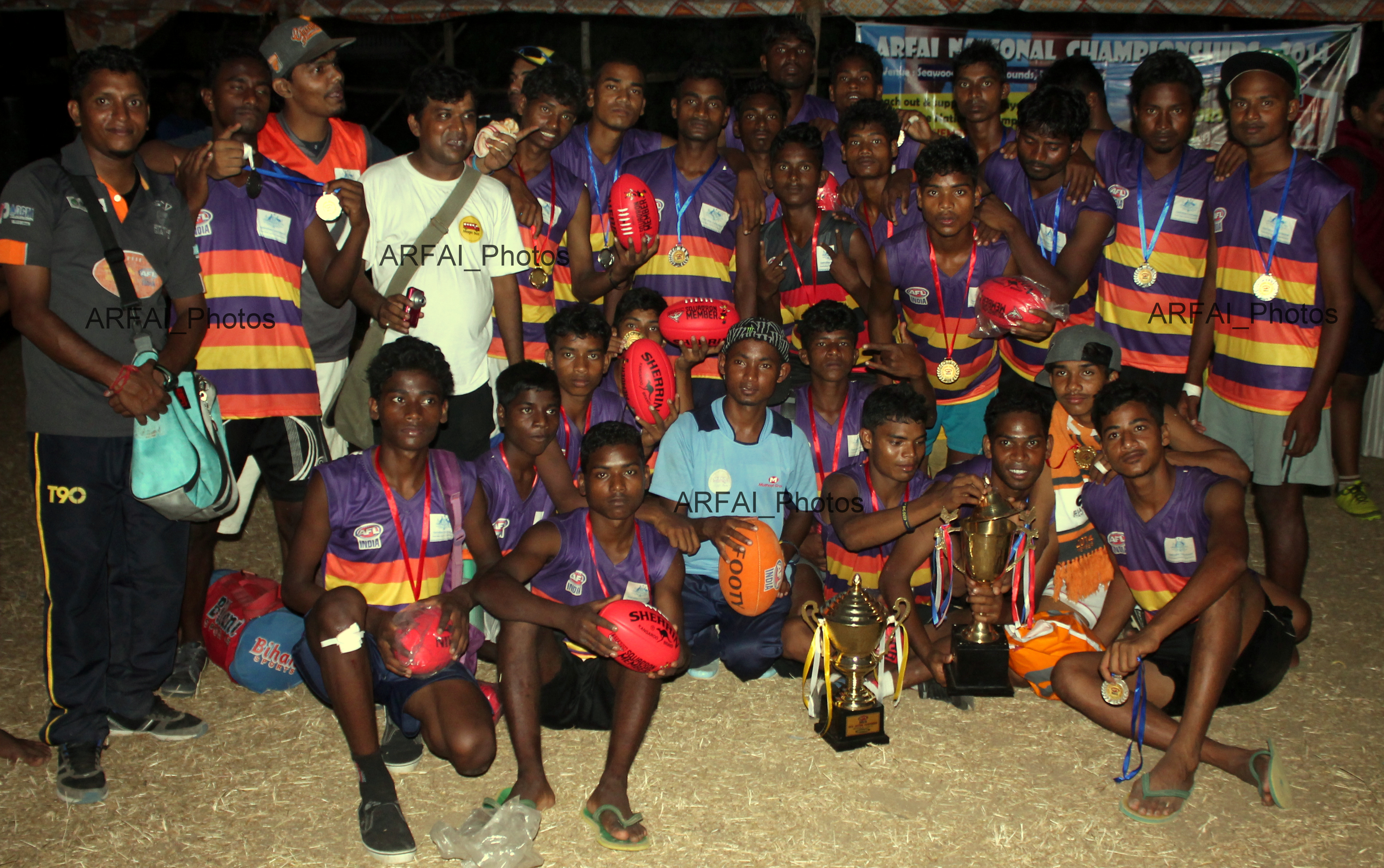
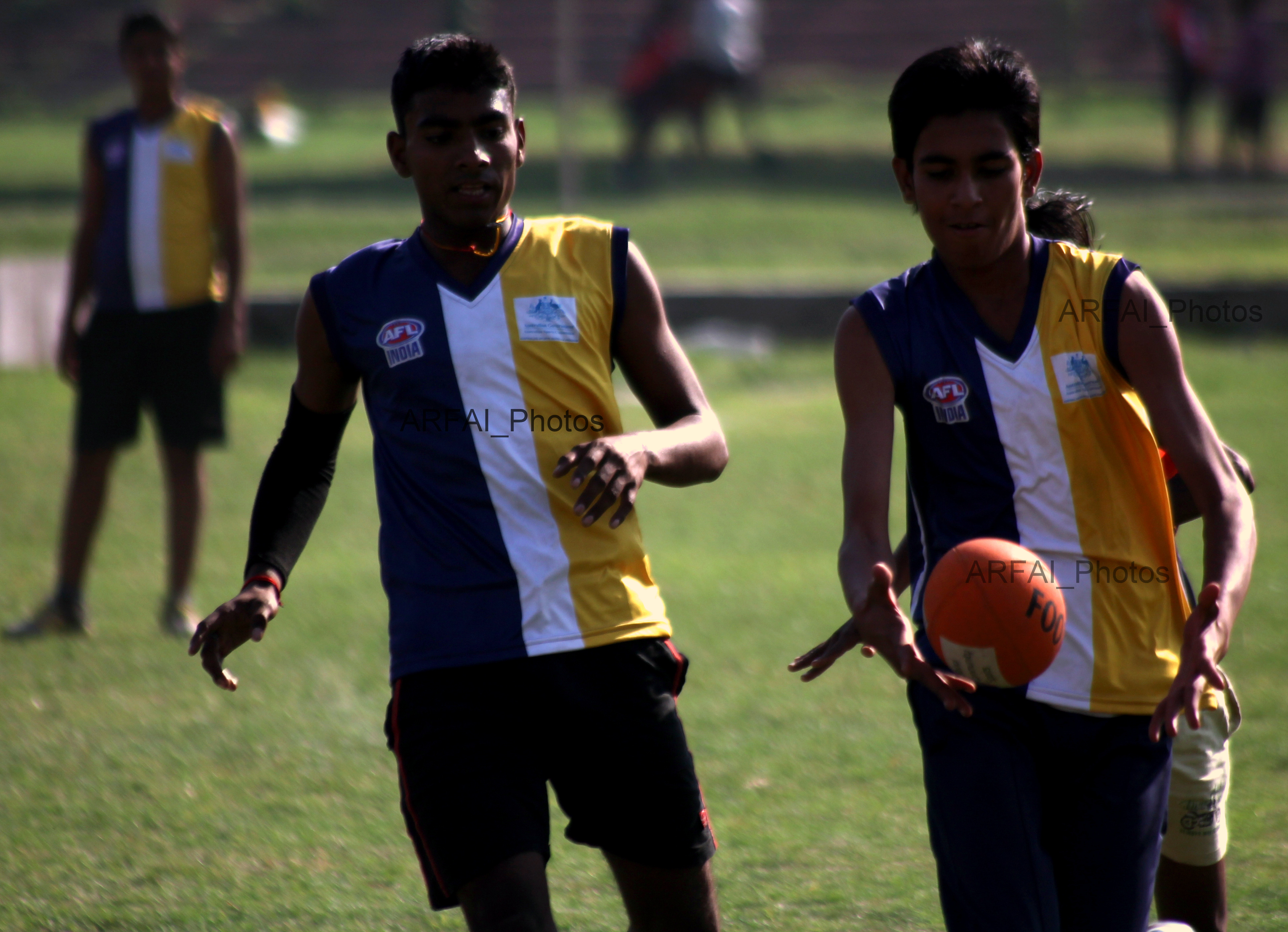
Rajasthan Eagles came into the realm of ARFAI with the successful implementation of a sustainable grassroots Australian Rules Football Program in the state of Rajasthan. Magic Bus with the support of ASC and ARFAI work to engage with communities through Community Youth Leaders (CYLs) to deliver programs in the state of Rajasthan. The CYL’s were provided special training by the ARFAI coaches who in turn trained the kids of Rajasthan about Australian Rules Football.
Well organized and successful implementation of the program led the participation of Rajasthan eagles, a team representing the state of Rajasthan, in the 3rd ARFAI National Championship 2014 held in Navi Mumbai in the junior category which comprised of players aged between 12-16 years. The selection of the players for the team was a direct outcome of the first ever Rajasthan State Championship held at Jaipur. The best 15 players from the State Championship were selected to represent their state in the National Championship.
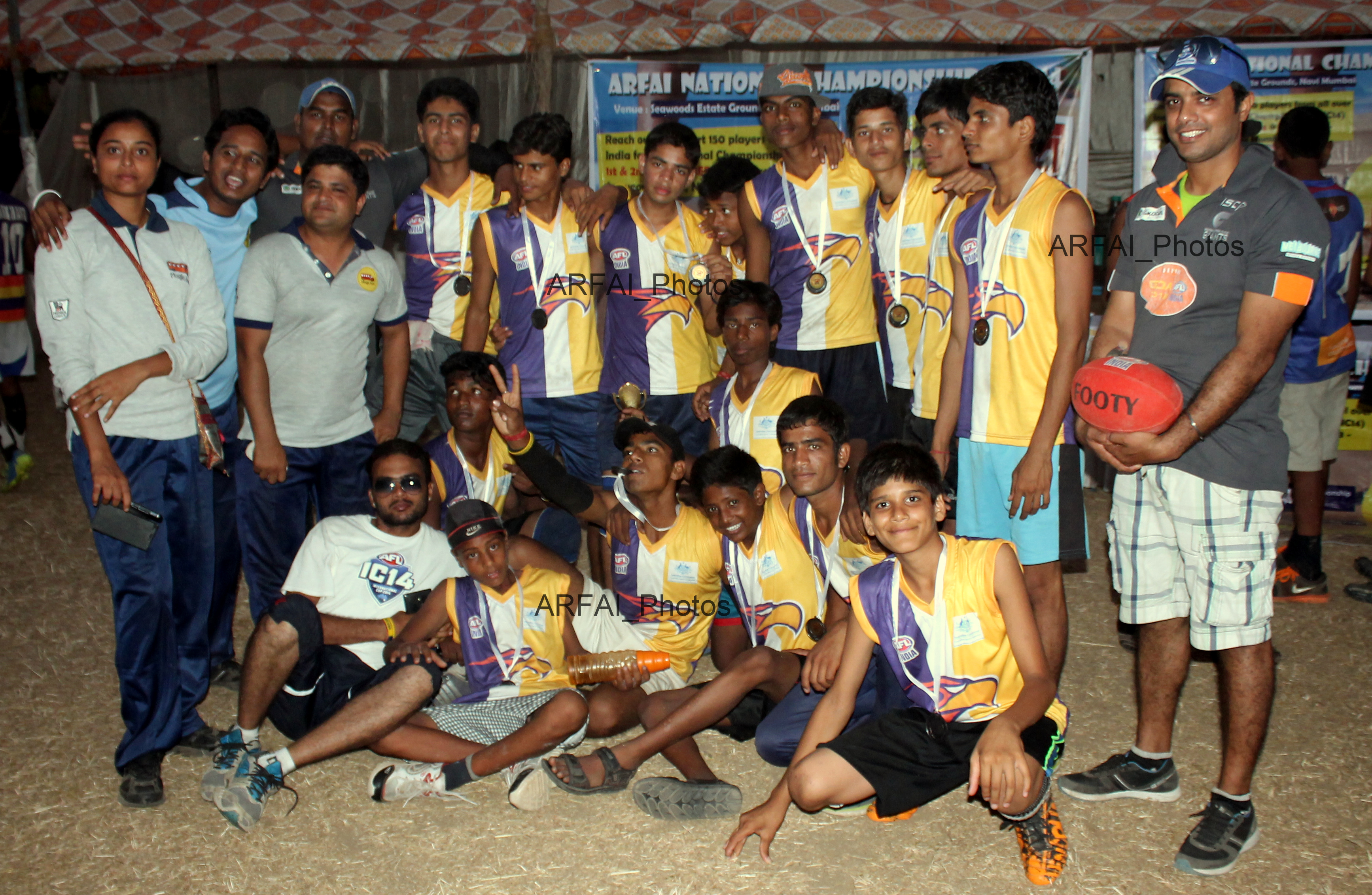
A special mention should made of Siddharth Singh Chauhan and Sarfaraz Khan, Magic Bus CYL’s for the Jaipur district who were so influenced by this sport that they took personal interest and initiatives to grow the sport in Rajasthan.
Similarly Sudip Chakraborty, Secretary General Of ARFAI and also the Captain of Indian Tigers, and Mona Kalra, Tresurer of ARFAI who, through their personal effort, have been able to start the sport in Udaipur and have done many demonstration and training sessions in schools like Mharana Mewar Public School (MMPS), Delhi Public School (DPS) and Ryan International School in Udaipur.
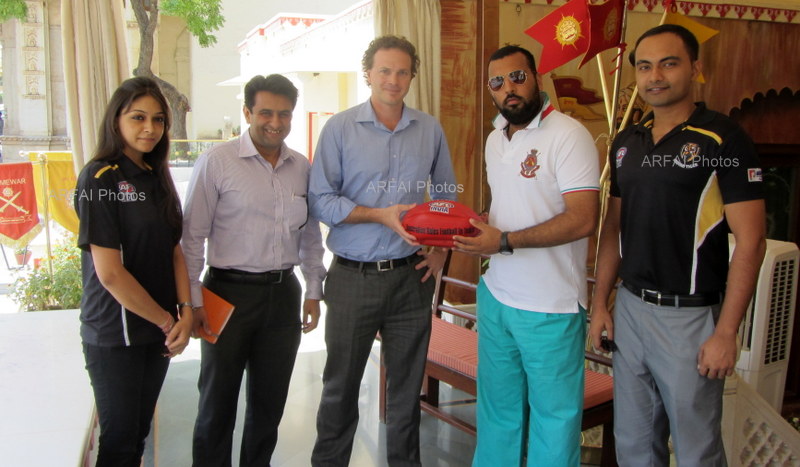
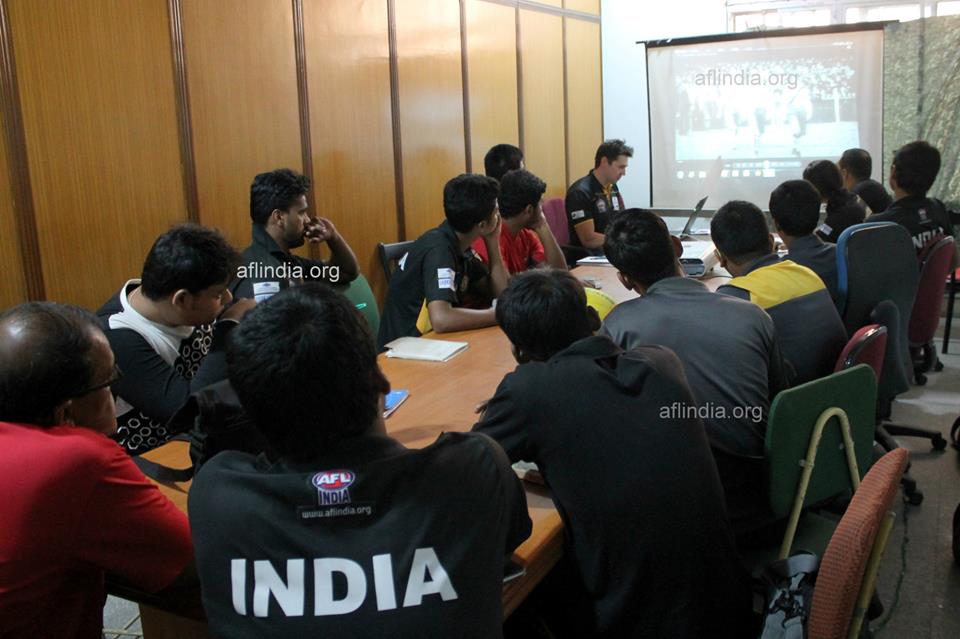
The Footy journey of India gained further momentum as the AFL Multicultural and International Coordinator, Peter Romaniw, touched down in India for the coaches and umpires training for ARFAI officials. The training was scheduled on the 22nd and 23rd of November 2014 and was held at the school ground of Bharatiya Vidya Bhavan, Kolkata. A group of 19 participants, comprising officials and experienced players, underwent the 2 days training which included a few hours in the conference room and many on the field.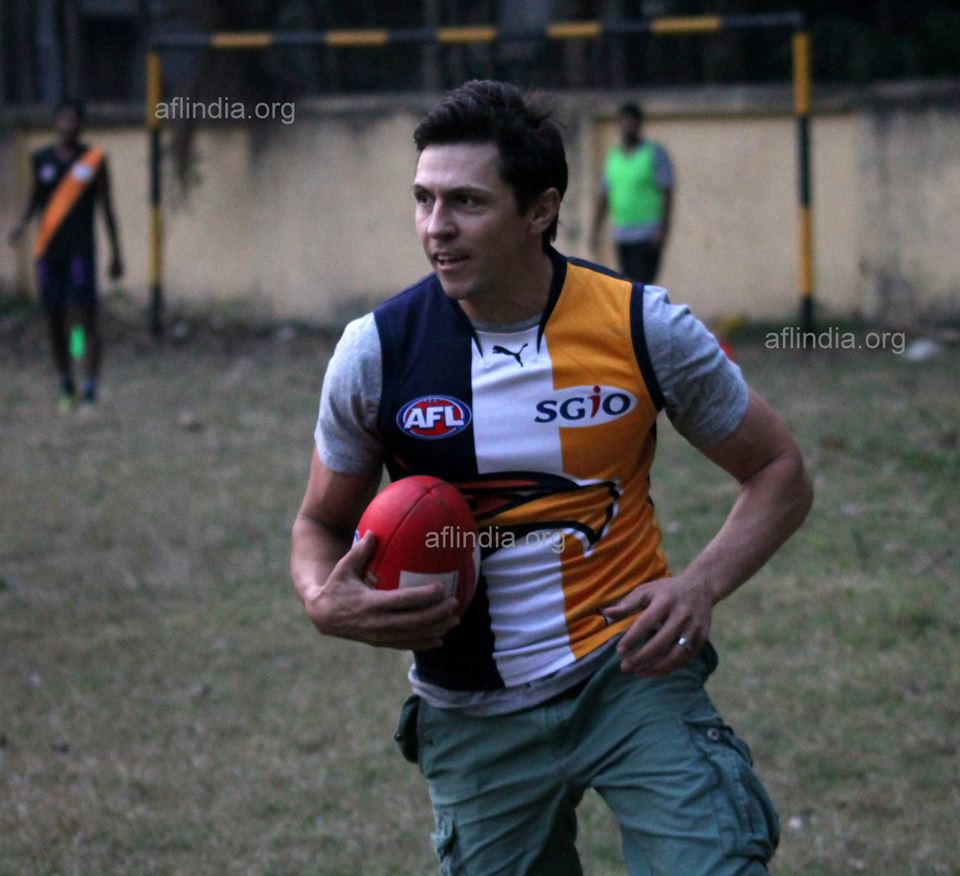
The training, though intensive, was a rejuvenating experience for everyone present and was tailor made to instil ideas which can be directly implemented in coaching sessions. The drills included demonstration of basic skills and then an upgrade on the same to simulate in-game situations. There was a lot of emphasis on the SPIR method of training and the importance of an overall positive atmosphere around training. The session also covered umpiring standards with the help of video tutorials and quizzes. Lots of goodies were doled out as well, but the ultimate prize of the training will soon arrive in the form of an AFL Level 1 Coaching Certificate. As the curtains fell on the training session, everyone departed in high spirits, reemphasizing Peter’s aptly put words – “Footy, at the end of the day, is all about having fun.”
The day after the session saw Peter make the long trip to Bongaon, right on the Indo-Bangladesh border. An exhibition match was played out and the umpiring lessons previously learnt were put to the test. Peter witnessed the hardships spread across the land and the toil that some of the players had to endure to make a journey up to the city just to follow their passion.
Peter’s short stay involved some local sightseeing and trying out some local cuisines, all of which he claims to have liked. His short trip proved to be a highly productive one for the ARFAI and we express our sincerest gratitude to him and the AFL for the same. We look forward to more such endeavours on behalf of the AFL to help grow Footy in India and we’ll be waiting for Peter with more local cuisines and of course, more Footy!
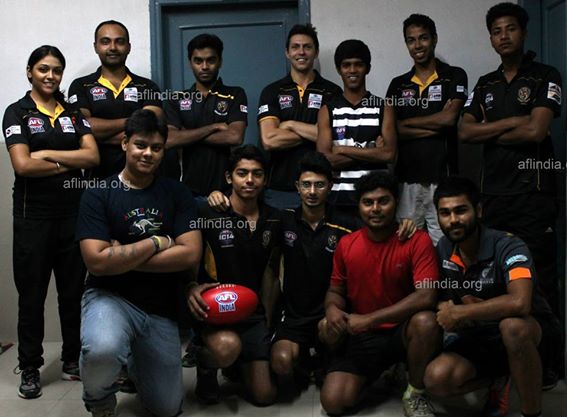


 Ashley (Ash) Nugent is the founder of Masala Football Club (Victorian Amateur Football Association). The club is recognised as one of Australia’s most diverse and has strong Indian representation in terms of players and administrators. Ash met several of the AFL India players at the 2008 International Cup and for the 2011 tournament served as Team Manager. Ash works as a Social Enterprise Development Manager for a Melbourne-based welfare organisation. He has made several trips to India and in his spare time is working on an Education-based project in Bihar.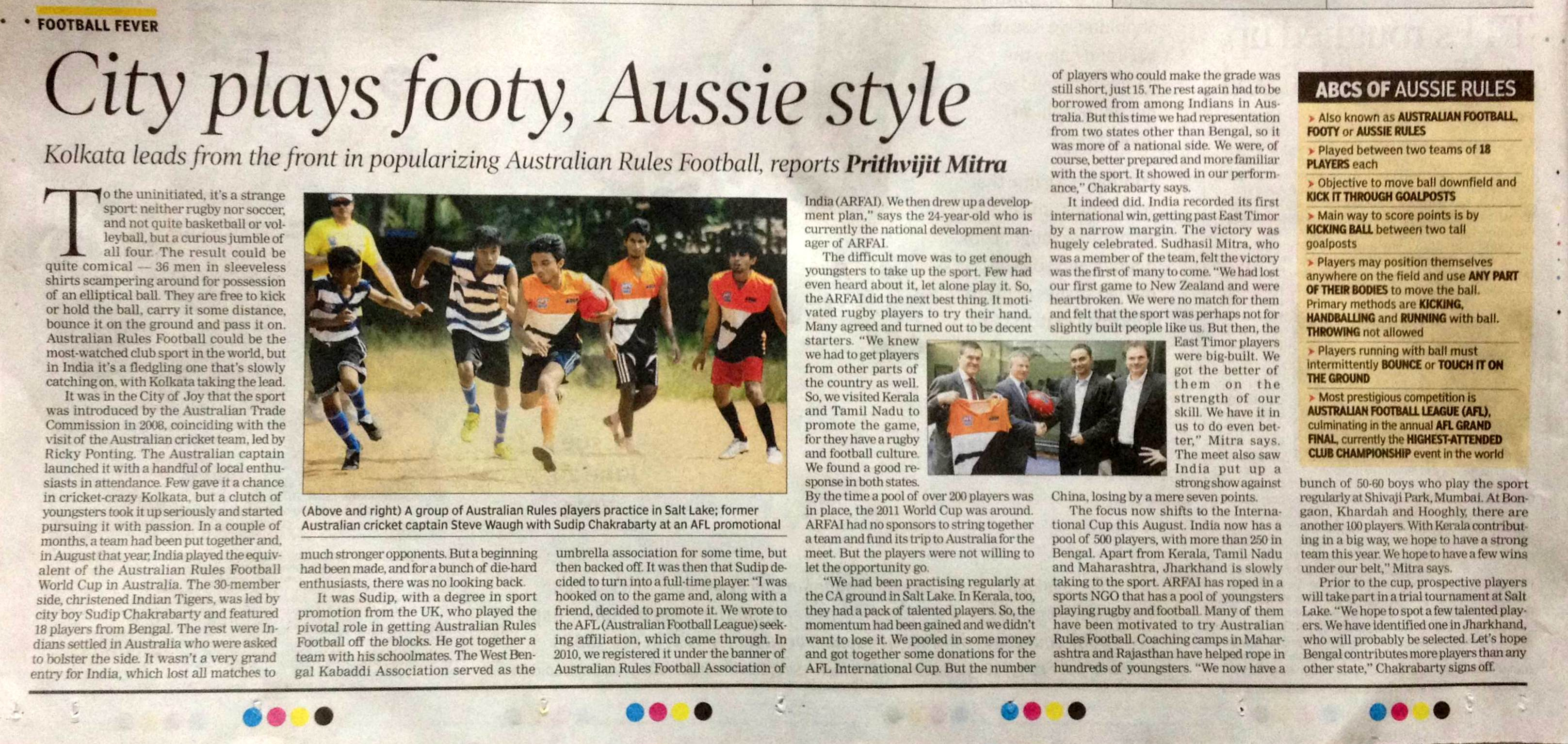











.jpg)